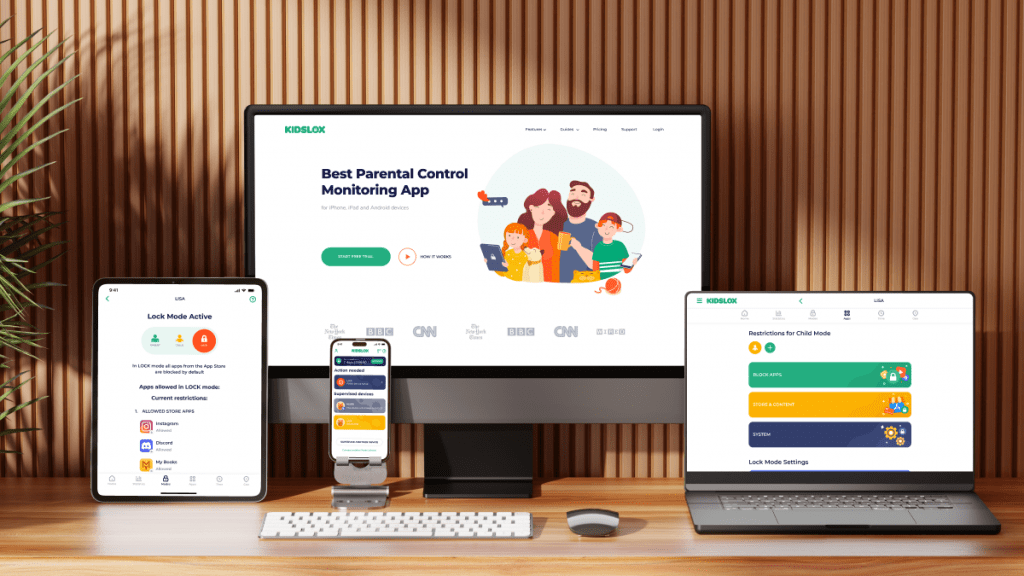



How Templify automated nearly half of customer support and cut tooling costs by 89%.
AI-native customer support and automated subscription management. 89% reduction in tooling costs, 48% of tickets fully automated, and 5.900% faster response times.


With a planned move, you change what you pay for, how far you can grow, and how the system survives a bad day.
Your cloud costs follow real usage. You pay for the capacity you run, and idle servers drop off the bill.
On your own servers, you pay the same in a quiet month as in your busiest week.
Traffic spikes stop being an emergency. The system adds capacity on its own and releases it when the rush ends.
On fixed hardware, you plan growth around a purchase order, and a good quarter can outrun it.
Backups and failover come built into the cloud services you run on. One dead machine rarely means downtime.
In a single server room, one failed disk or power cut can still stop everything at once.
Access control and encryption follow your provider’s standards, and the provider keeps updating them after we hand the system over.
When teams rush the migration process, old security gaps travel into new infrastructure with the data.
Queries run on current hardware sized for the load. Response times usually hold steady as usage grows.
Every quarter you delay the migration, aging hardware adds a little more lag to each request.
Your users get the same responsive screens at the office and at home. Where they log in stops mattering.
Left on legacy systems, your users keep waiting on slow screens and start looking at other tools.
Single applications or a full portfolio; quick lift-and-shift for apps that work as they are; full cloud-native rebuild for aging architecture.
SQL and NoSQL database migration; file and object storage transfer; data integrity checks and minimal downtime at cutover.
Existing data warehouse or analytics pipeline; modern cloud data platform as the target; architecture sized for query speed and running cost.
Servers, networks, and platform components; from on-premises or another cloud; onto AWS, Azure, or GCP.
Hybrid cloud setups across on-premises and public cloud; workloads split across more than one cloud, when one cloud is the wrong fit.
CI/CD pipelines rebuilt for the new setup; infrastructure-as-code and release automation; a faster release cycle, not just a relocated one.

In 17 years we have delivered 250+ products across healthcare, finance, retail and SaaS, from single-app rehosts to full data warehouse moves. Some teams move to the cloud one app at a time; others move a full data warehouse at once, and we scope a cloud data migration solution for either. Much of this work is under NDA, so we show a selection.
AI-native customer support and automated subscription management. 89% reduction in tooling costs, 48% of tickets fully automated, and 5.900% faster response times.
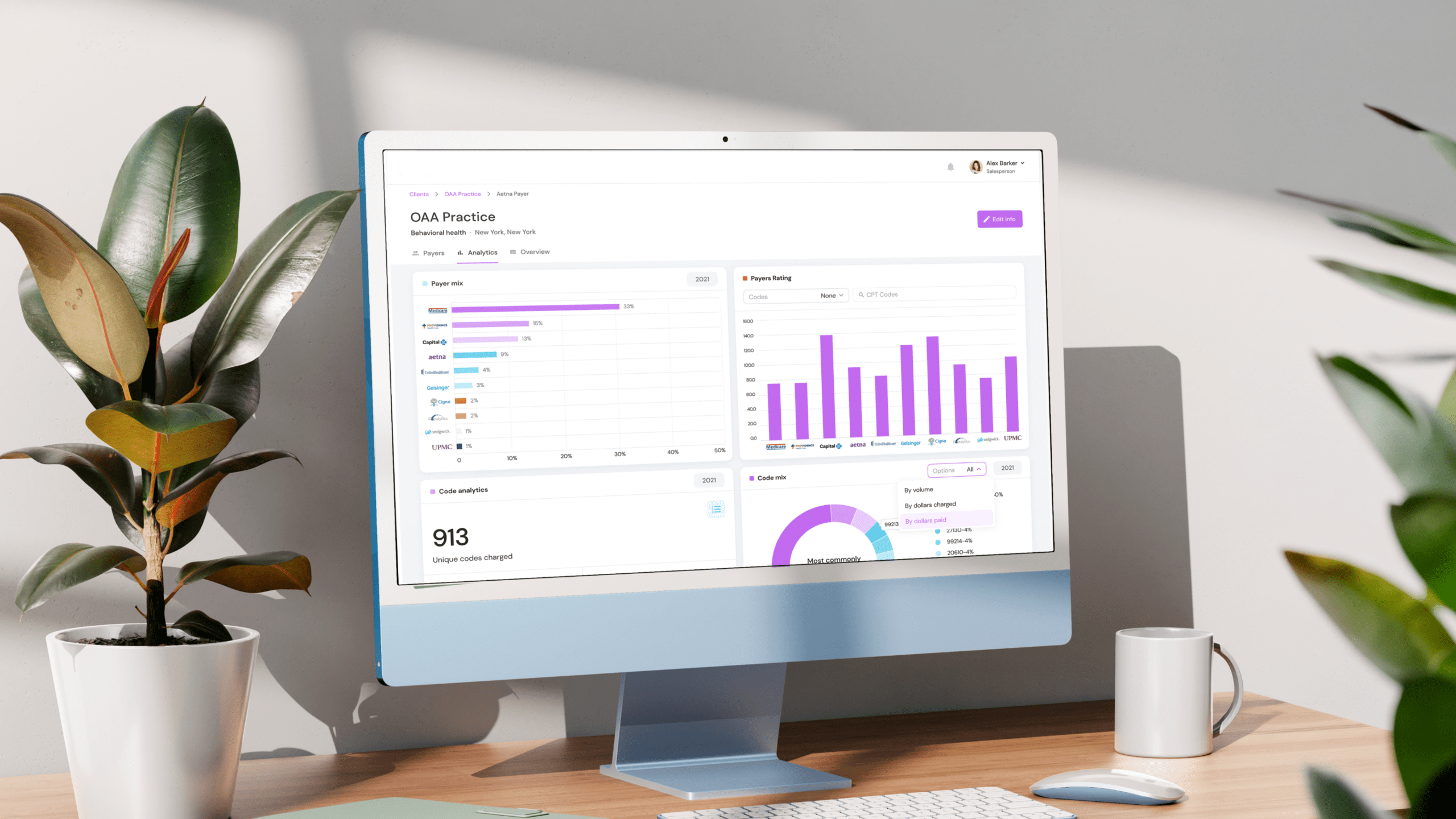
AI orchestration across customer support, content moderation, and ops. Same business outcomes, 58% smaller team, fully documented handover.
AI-augmented engineering practice across architecture, code generation, testing, and review. Faster delivery on a smaller team, in a regulated healthcare environment.
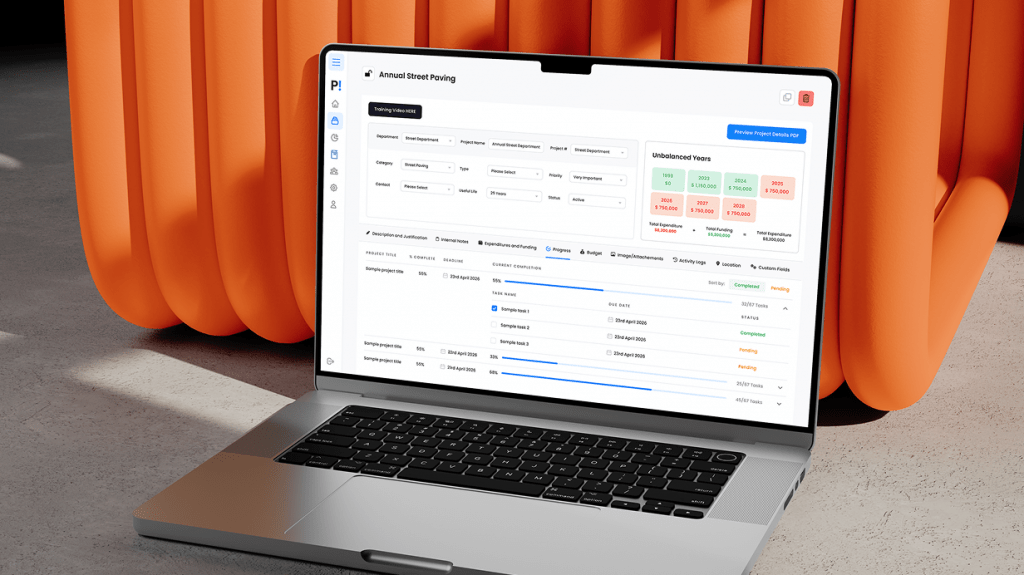
Engineering velocity overhaul on a legacy codebase: AI-augmented development workflow, automated QA, and refactored architecture. Real AI in the build process — not in the pitch deck.
Send us a short note on your current setup, the data that needs to move, and the downtime you can live with. Within one business day, our sales lead and an architect come back with a scoped first answer.
No long call to sit through, nothing to sign. We scope our cloud data migration services to your target cloud environment and your data. You see the work and the sequence, not a round number.
The time it takes our sales lead and an architect to send back a scoped first answer.
When migrating to the cloud, you bring your industry’s rules along, and we plan around them.
HIPAA-aware handling: we set access rules before a single patient record moves.
Peak-season traffic: we schedule the cutover for your quietest weeks.
Product catalogues and order history: we check every record against the source after transfer.
Bookings mixed with health details: we treat the whole dataset as sensitive.
Transaction and audit trails: we reconcile every record before sign-off.
Years of claims history: we keep it searchable after the move.
Round-the-clock plants: we plan the switch around your shift changes.
Field and dispatch data: we move it without losing what crews captured offline.
Don’t see your industry?
If your data comes with rules of its own, tell us what they are — we plan the move around them.
We work on AWS, Azure, and Google Cloud, using the migration tools each cloud platform provides. If you are still choosing between them, we compare the options on your workloads first.
Before you trust us with your data, check how we run our cloud data migration services.
Each workload gets its own decision between the three main migration strategies: rehost, replatform, or refactor. We base it on how the workload runs today, never on which option is quickest to sell.
AWS, Azure, and GCP are all supported on equal footing. You get a cloud provider recommendation based on your workloads and what your team already runs, and we walk you through the reasoning before you commit.
We time every cutover to your schedule and keep a rollback plan and a parallel run ready. On products with 100k+ active users, we have already run migrations with zero downtime.
We build rightsizing and cost alerts into the migration plan from the first week. You see the monthly forecast before cutover, so the first full cloud bill rarely brings surprises.
We run automated tests that compare source and target records after every batch. You keep a log of what moved and when, and we work under SOC 2-aligned controls throughout.
You get a progress report every week, measured against the timeline you approved at the start. When a date moves, we tell you first, with the reason and the fix.
From startups to enterprise teams — Ekreative helps companies ship better software faster, without sacrificing quality or reliability.
Why the difference between “more agents” and “better thinking” quietly determines whether your AI investment compounds, or stalls out The…
In the dynamic and ever-evolving landscape of healthcare, software projects play a pivotal role in enhancing patient care, streamlining operations,…
In today’s fast-paced world, the healthcare industry is constantly evolving, driven by technological advancements that have the potential to transform…

You usually get everything from the first audit to tuning after go-live. In between come the plan, a pilot run, and phased moves with testing, scaled to whatever needs to move, from one application to a full analytics platform.
Typically from a few weeks for a single application to several months for a full data platform. You get a written timeline during scoping, and we firm it up after the pilot run.
We work across all three, and you are not locked into one. We choose the target based on your workloads and your team's skills, and hybrid setups are an option too.
We switch back to the last stable state, then find and fix the cause. Every migration plan includes a rollback path for each phase. You hear about issues from us directly.
Two ways to start. Both get a real response from someone senior — within one business day.
Book a 30-min product review
Pick a time directly on our calendar. You'll talk with a senior strategist and walk out with a written feasibility scope — even if you don't hire us.
Send us your roadmap first
Tell us what you're working on. Our sales lead, with technical input from one of our architects will review it and reply within 1 business day with concrete next steps — not a sales sequence.