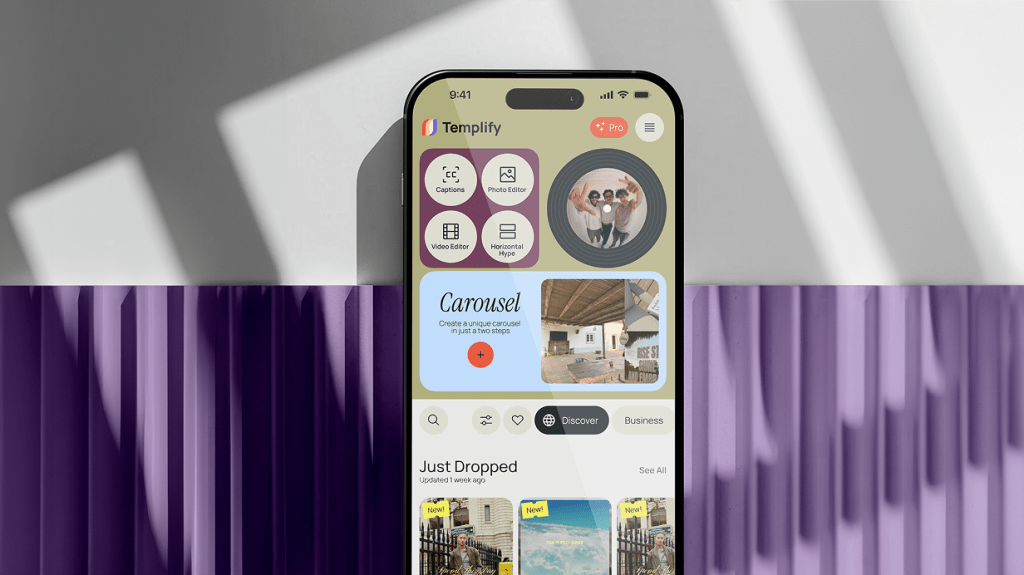
How Templify automated nearly half of customer support and cut tooling costs by 89%.
AI-native customer support and automated subscription management. 89% reduction in tooling costs, 48% of tickets fully automated, and 5.900% faster response times.


Legacy system modernization services change one thing above all: where your engineering money goes. Every quarter you postpone it, more of that money keeps outdated legacy systems alive instead of building what customers ask for.
Top line: Maintenance budget shifts from keeping the lights on to growth.
Bottom line: The cost of legacy grows quietly with every deferred quarter.
Top line: A hardened stack that meets compliance requirements and passes audits.
Bottom line: Outdated legacy systems collect vulnerabilities faster than teams close them.
Top line: The platform scales with demand and business operations run faster.
Bottom line: Outdated software stalls under load and slows every team down.
Top line: You ship, test and adapt at the pace customers expect.
Bottom line: Rivals release monthly while your roadmap waits on the stack.
Top line: Clean architecture and modern tooling make changes cheap and safe.
Bottom line: Brittle legacy code makes small edits risky, and the risk compounds every quarter you defer.
Top line: A modern interface lifts activation, daily engagement and retention rates.
Bottom line: A dated experience pushes your users toward newer, faster alternatives.
Current-state audit, modernization roadmap, architecture advisory and governance, GenAI adoption roadmap
Architecture consulting, monolith-to-microservices migration, technology stack modernization, application re-architecting
AI-accelerated refactoring and technical-debt remediation, cross-platform portability, version roll-up, application rationalization
On-prem to cloud and cloud-to-cloud migration services, cloud cost optimization, containerization with Kubernetes
User-flow revision, UI/UX modernization, accessibility compliance, target-audience expansion
Legacy system modernization services sit at the center of 17 years of work and 250+ delivered products, from early enterprise engagements for Citigroup, HSBC and Best Buy to today’s SaaS platforms. The cases below are the ones we can show: complex legacy, enterprise systems, real production load.
AI-native customer support and automated subscription management. 89% reduction in tooling costs, 48% of tickets fully automated, and 5.900% faster response times.
AI orchestration across customer support, content moderation, and ops. Same business outcomes, 58% smaller team, fully documented handover.
AI-augmented engineering practice across architecture, code generation, testing, and review. Faster delivery on a smaller team, in a regulated healthcare environment.
Engineering velocity overhaul on a legacy codebase: AI-augmented development workflow, automated QA, and refactored architecture. Real AI in the build process — not in the pitch deck.
Send us the codebase that worries you and the roadmap it keeps blocking. One 60–90-minute working session later, you hold a documented scope, a first estimate, and your technical risks ranked by severity.
Every modernization engagement we run starts here. Some teams take the findings and shop them elsewhere. That is fine — the analysis stands on its own either way.
SENIOR ARCHITECT TIME THAT GOES INTO EVERY AUDIT. FREE WHETHER THE MODERNIZATION ENGAGEMENT FOLLOWS OR NOT.
Modernization looks different in a regulated insurer than in a marketplace, so we scope against the systems your sector actually runs on.
Payment rails, lending engines, ledgers and reporting tools built to survive a compliance audit.
Clinical records, contract management, patient portals and integrations across regulated hospital and insurer systems.
Policy administration, claims processing, rating engines and broker portals sitting on decades-old core platforms.
Storefronts, order management, pricing engines, warehouse integrations and checkout flows that cannot go down.
Product catalogues, equipment selectors, ordering flows and integrations with the systems suppliers already run.
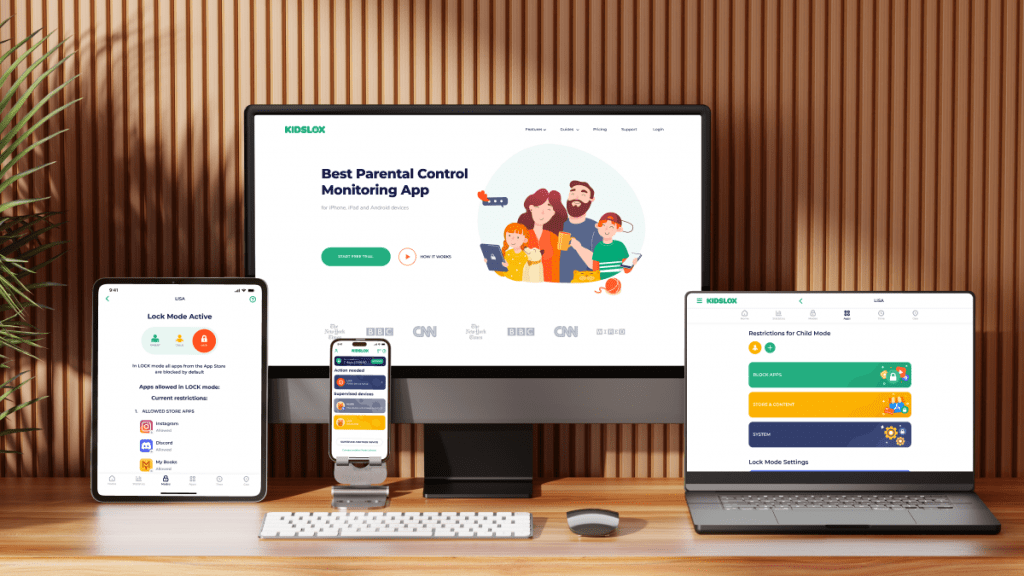
Health trackers, coaching products, meditation and parental-control apps built to keep users coming back.
Production tracking, stage-by-stage reporting, CRM and warehouse integrations, and payment gateways that reconcile.
Technician apps, job assignment, field task completion and shift reporting, built to work offline.
Don’t see your
industry?
Modernizing legacy takes fluency in both directions: the stack your product was built on, and the one it is moving to. Yours is most likely below.
Anyone can list services. What product owners actually check before signing is how the work gets run.
So here is how we run it.
A modernization lead, a documented delivery process and a secure DevOps setup are in place before the first commit. You see reviewable progress from sprint one, not a status deck in month three.
Code review, staged approvals, automated testing and controlled releases keep your live system stable while it changes. Maintaining business continuity is the constraint we design around, which is why cutovers happen in phases.
Agentic tooling absorbs the work that used to take months: reading undocumented code, generating test coverage, proposing safe refactors. A senior engineer approves every change before it reaches users.
We read older stacks as fluently as we read current ones. That is what makes niche, heavily customized or high-load systems modernizable, instead of written off by a vendor as too messy.
You watch real engineering output rather than a slide claiming things are fine: pull request activity, commit history, test coverage, cycle time. These are the same dashboards our delivery leads use daily.
Architecture, engineering, security, UX and post-launch support all sit with one accountable team. Fewer hand-offs between vendors, one person to call when something breaks, and nobody pointing at somebody else’s contract.
From startups to enterprise teams — Ekreative helps companies ship better software faster, without sacrificing quality or reliability.
Why the difference between “more agents” and “better thinking” quietly determines whether your AI investment compounds, or stalls out The…
In the dynamic and ever-evolving landscape of healthcare, software projects play a pivotal role in enhancing patient care, streamlining operations,…
In today’s fast-paced world, the healthcare industry is constantly evolving, driven by technological advancements that have the potential to transform…
Legacy system modernization services bring an old platform's architecture, tech stack or infrastructure up to what the business needs now, without scrapping it. Most owners come to us at the same point: the product still makes money, but releases have crept from days to weeks and modernization stops being optional.
Yes, in most cases. A rebuild is rarely the cheapest way to fix a platform that still works. We go module by module, keep old and new running side by side, and put something usable in front of your users every few weeks. If a rebuild is the right call, you hear it during the audit.
That is what the whole plan is built around. We use strangler fig patterns, feature flags and phased cutovers, so traffic moves across a piece at a time. We have run this on products with over 100,000 active users.
AI is why the first shippable increment usually lands inside 30 days. Legacy system modernization with AI describes how we build: agentic workflows read undocumented code, write missing tests and suggest refactors a senior engineer signs off. Our ai legacy system modernization services then restructure data, APIs and architecture so you can ship AI features of your own later.
Three to nine months for most, though you see working software inside the first month. A single module refactor or a stack upgrade lands quicker. A large platform being re-architected, moved to cloud and prepared for AI takes six to twelve. The timeline goes in writing after the audit, before you commit.
Here is how the numbers fall. Focused engagements — a single-module refactor, a stack upgrade, a targeted migration — start around $25–40k. Bigger multi-phase programs sit between roughly $120k and $500k, split into stages so you pay against delivered work.
Modernize, in most cases. That is the right answer when the product logic is sound and the architecture is what slows you down. Re-platform if you are genuinely changing the environment, monolith to microservices or on-premise to cloud. Rebuild only when the current platform cannot get you where you are going.
Two ways to start. Both get a real response from someone senior — within one business day.
Book a 30-min product review
Pick a time directly on our calendar. You'll talk with a senior strategist and walk out with a written feasibility scope — even if you don't hire us.
Send us your roadmap first
Tell us what you're working on. Our sales lead, with technical input from one of our architects will review it and reply within 1 business day with concrete next steps — not a sales sequence.